What is the cheapest power station that runs a CPAP all night?
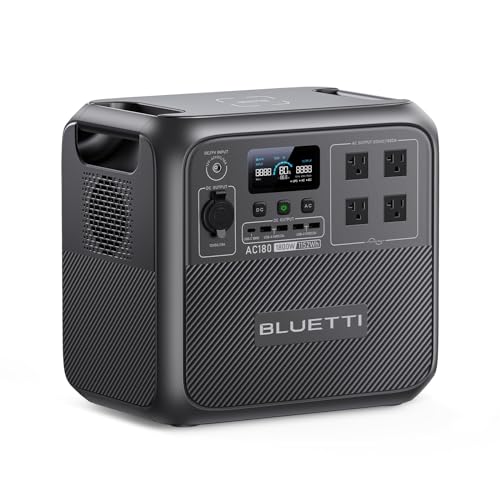
The BLUETTI AC180 ($499 on Amazon, checked October 12, 2026) is the cheapest power station that runs a CPAP all night with the heated humidifier on: about 2.2 nights per charge.
Affiliate links: we may earn a commission, at no cost to you. How that works.
BLUETTI AC180: $499, checked October 12, 2026
979 Wh usable: about 18 hours at 55 W, and 9.8 hours even at 100 W, the top of the humidifier-on range.
All 37 power stations Amazon sells, ranked by cost per night
Cost per night is the Amazon price divided by the nights one charge runs a CPAP with the heated humidifier on. A lower number means more nights for your money. 33 of the 37 run at least one full 8-hour night; 26 run two or more. The cheapest to buy, the BLUETTI AC180, is number 8: bigger units cost more up front but less per night.
| # | Station | Usable battery | Nights, humidifier on (55 W, AC) | Nights, humidifier off (11.2 W, DC) | Cost per night | Amazon price, October 12, 2026 |
|---|---|---|---|---|---|---|
| 1 | 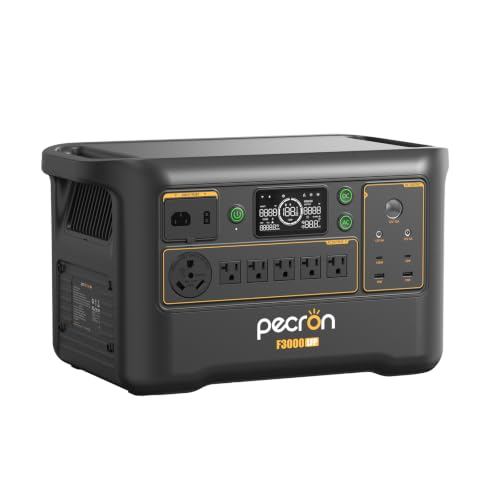 PECRON F3000LFP PECRON F3000LFP | 2,611 Wh | 5.9 | 29 | $152 | $899 at Amazon |
| 2 | 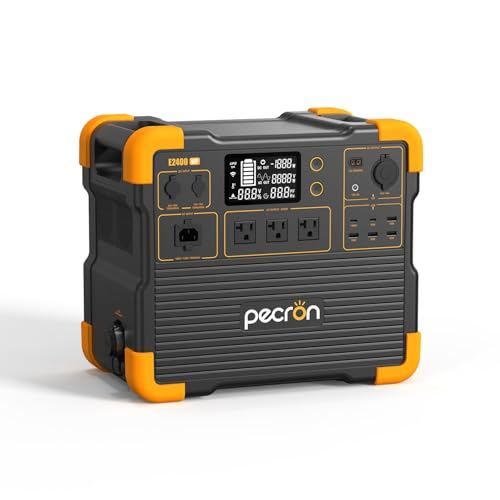 PECRON E2400LFP PECRON E2400LFP | 1,741 Wh | 3.9 | 19 | $166 | $649 at Amazon |
| 3 | 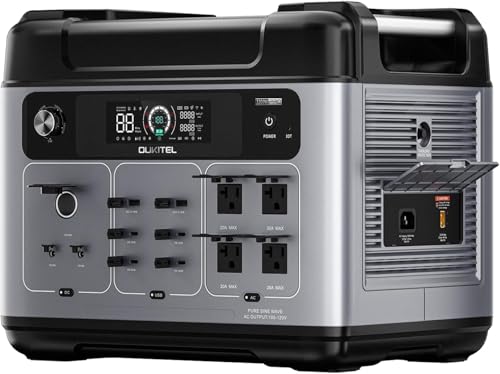 OUKITEL P2001 Plus OUKITEL P2001 Plus | 1,741 Wh | 3.9 | 19 | $179 | $699 at Amazon |
| 4 | 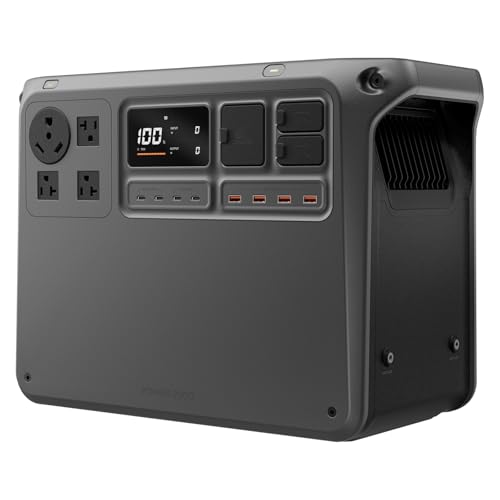 DJI Power 2000 DJI Power 2000 | 1,741 Wh | 3.9 | 19 | $192 | $750 at Amazon |
| 5 | 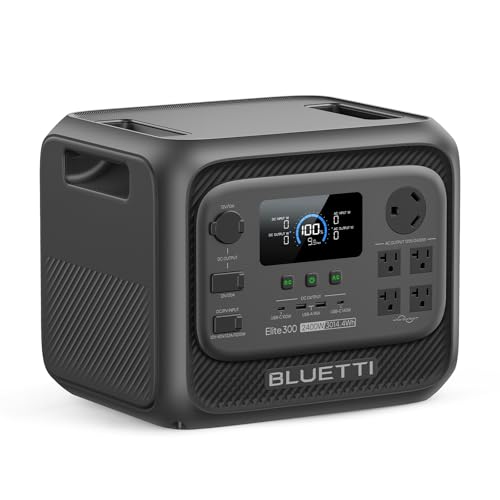 BLUETTI Elite 300 BLUETTI Elite 300 | 2,562 Wh | 5.8 | 28 | $207 | $1,199 at Amazon |
| 6 | 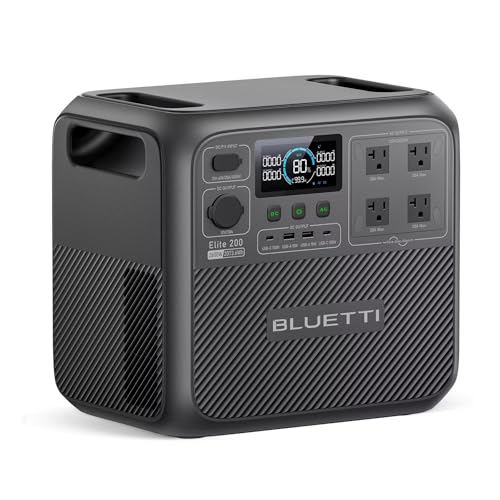 BLUETTI Elite 200 V2 BLUETTI Elite 200 V2 | 1,763 Wh | 4.0 | 19 | $225 | $899 at Amazon |
| 7 | 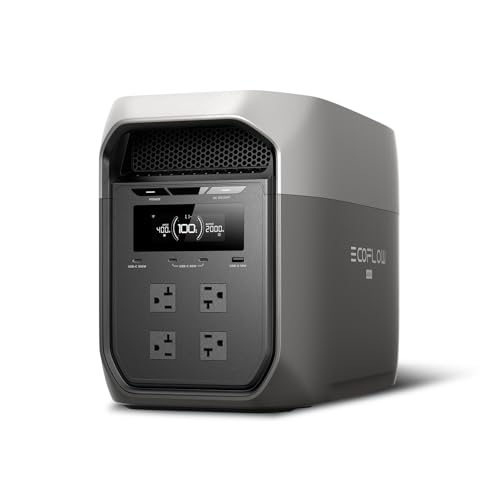 EcoFlow DELTA 3 Max EcoFlow DELTA 3 Max | 1,741 Wh | 3.9 | 19 | $225 | $879 at Amazon |
| 8 | BLUETTI AC180 | 979 Wh | 2.2 | 10 | $227 | $499 at Amazon |
| 9 | 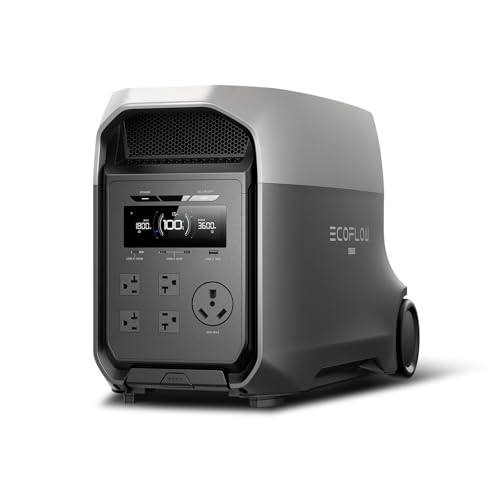 EcoFlow DELTA 3 Ultra EcoFlow DELTA 3 Ultra | 2,611 Wh | 5.9 | 29 | $229 | $1,349 at Amazon |
| 10 | 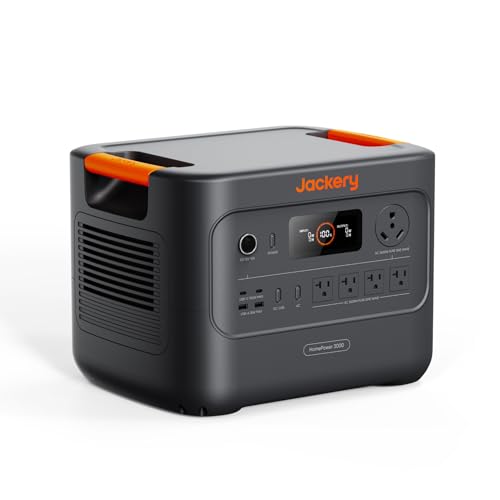 Jackery HomePower 3000 Jackery HomePower 3000 | 2,611 Wh | 5.9 | 29 | $229 | $1,349 at Amazon |
| 11 | 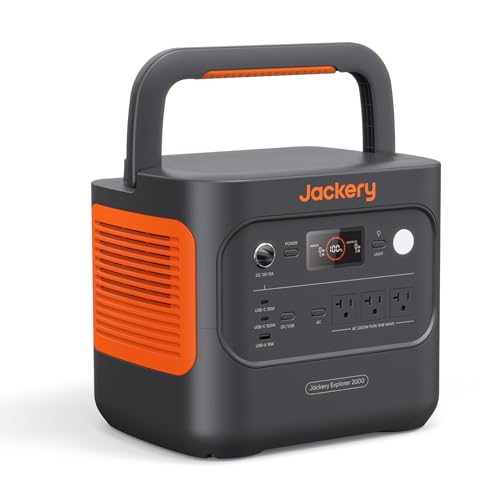 Jackery Explorer 2000 v2 Jackery Explorer 2000 v2 | 1,736 Wh | 3.9 | 19 | $231 | $899 at Amazon |
| 12 | 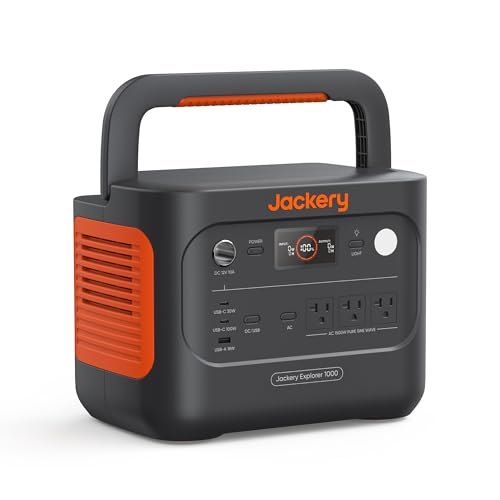 Jackery Explorer 1000 v2 Jackery Explorer 1000 v2 | 910 Wh | 2.0 | 10 | $250 | $499 at Amazon |
The other 25, numbers 13 to 37
| # | Station | Usable battery | Nights, humidifier on (55 W, AC) | Nights, humidifier off (11.2 W, DC) | Cost per night | Amazon price, October 12, 2026 |
|---|---|---|---|---|---|---|
| 13 | 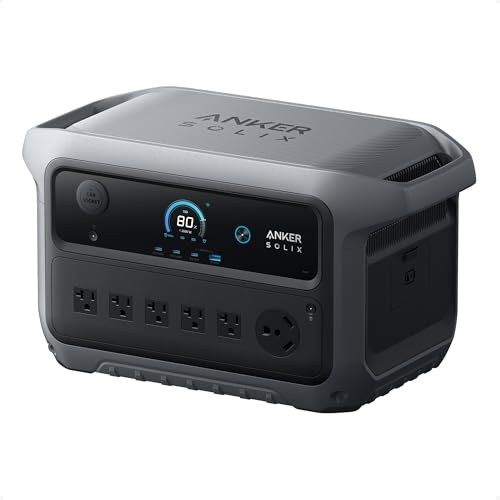 Anker SOLIX C2000 Gen 2 Anker SOLIX C2000 Gen 2 | 1,741 Wh | 3.9 | 19 | $256 | $1,000 at Amazon |
| 14 | 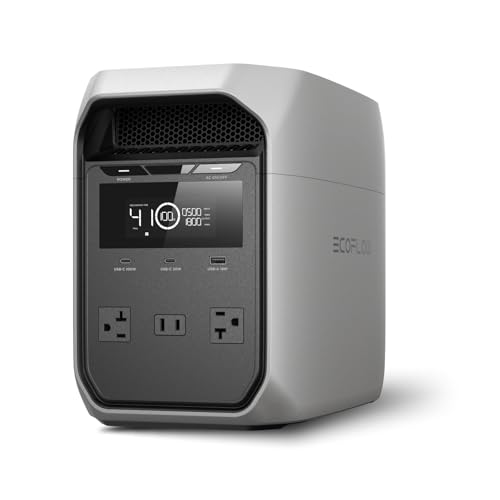 EcoFlow DELTA 3 Classic EcoFlow DELTA 3 Classic | 870 Wh | 1.9 | 9.7 | $263 | $499 at Amazon |
| 15 | 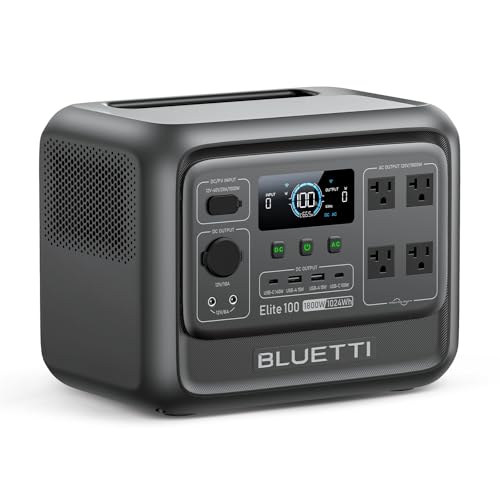 BLUETTI Elite 100 V2 BLUETTI Elite 100 V2 | 870 Wh | 1.9 | 9.7 | $263 | $499 at Amazon |
| 16 | 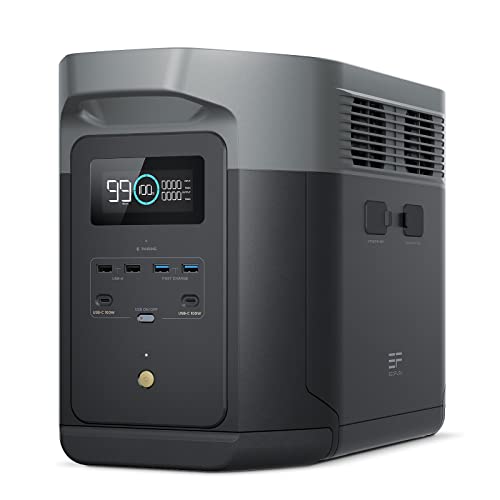 EcoFlow DELTA 2 Max EcoFlow DELTA 2 Max | 1,741 Wh | 3.9 | 19 | $264 | $1,029 at Amazon |
| 17 | 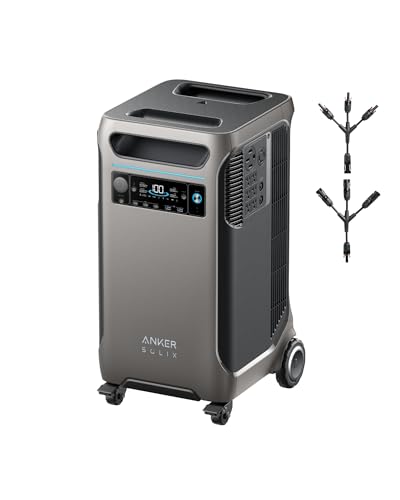 Anker SOLIX F3800 Anker SOLIX F3800 | 3,264 Wh | 7.4 | 36 | $268 | $1,980 at Amazon |
| 18 | 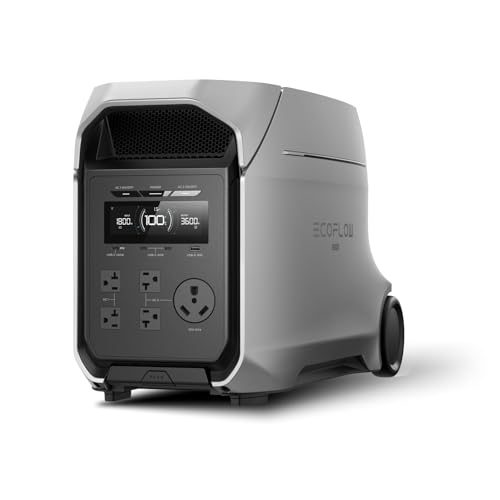 EcoFlow DELTA 3 Ultra Plus EcoFlow DELTA 3 Ultra Plus | 2,611 Wh | 5.9 | 29 | $271 | $1,599 at Amazon |
| 19 | 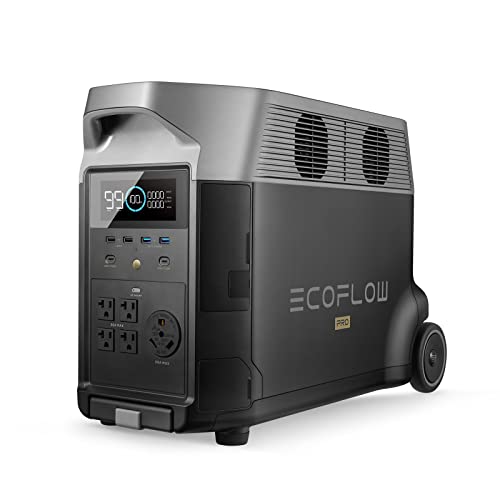 EcoFlow DELTA Pro EcoFlow DELTA Pro | 3,060 Wh | 6.9 | 34 | $275 | $1,899 at Amazon |
| 20 | 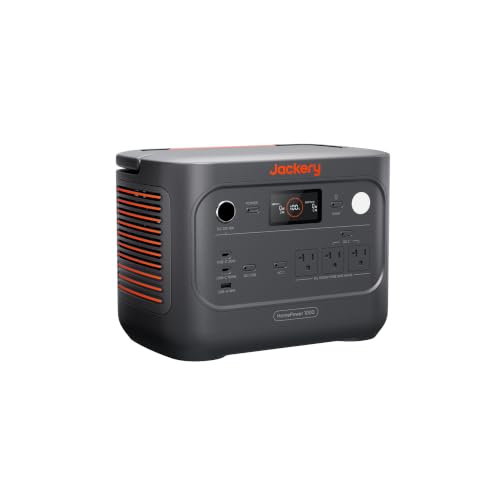 Jackery HomePower 1000 v2 Jackery HomePower 1000 v2 | 870 Wh | 1.9 | 9.7 | $289 | $549 at Amazon |
| 21 | 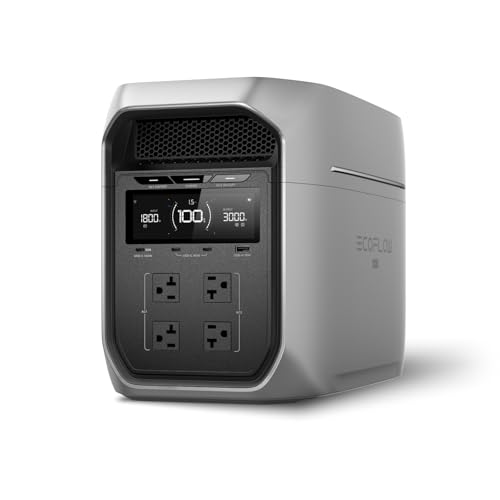 EcoFlow DELTA 3 Max Plus EcoFlow DELTA 3 Max Plus | 1,741 Wh | 3.9 | 19 | $295 | $1,149 at Amazon |
| 22 | 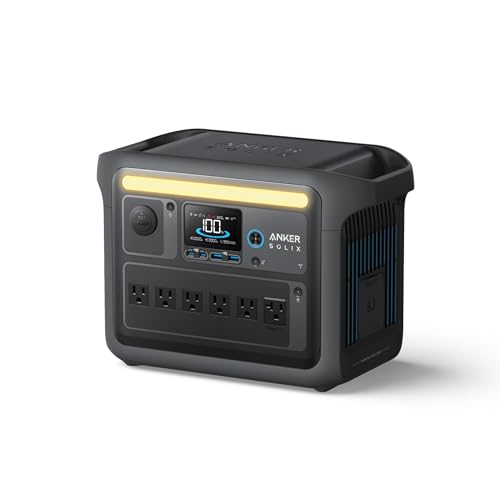 Anker SOLIX C1000 Anker SOLIX C1000 | 898 Wh | 2.0 | 10 | $300 | $600 at Amazon |
| 23 | 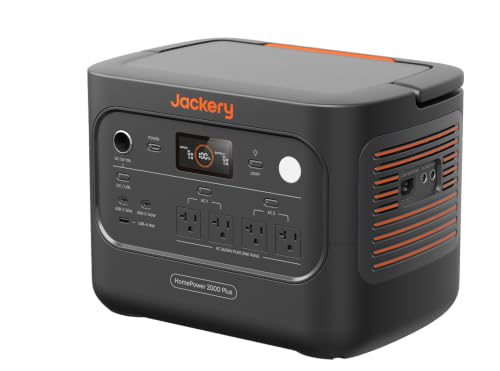 Jackery HomePower 2000 Plus v2 Jackery HomePower 2000 Plus v2 | 1,741 Wh | 3.9 | 19 | $307 | $1,199 at Amazon |
| 24 | 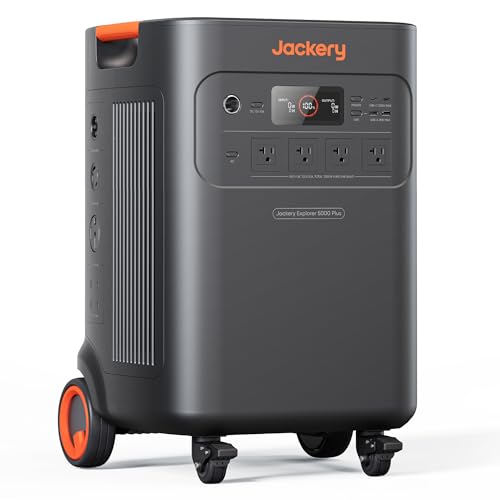 Jackery Explorer 5000 Plus Jackery Explorer 5000 Plus | 4,284 Wh | 9.7 | 47 | $312 | $3,028 at Amazon |
| 25 | 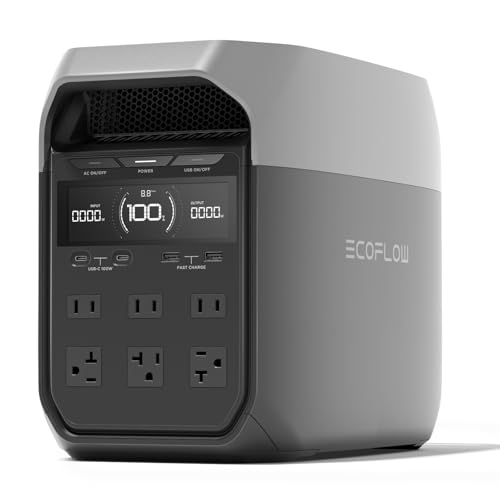 EcoFlow DELTA 3 EcoFlow DELTA 3 | 870 Wh | 1.9 | 9.7 | $315 | $599 at Amazon |
| 26 | 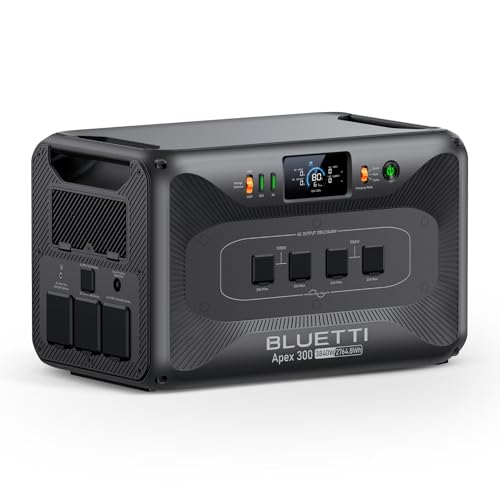 BLUETTI Apex 300 Home Battery Backup BLUETTI Apex 300 Home Battery Backup | 2,350 Wh | 5.3 | 26 | $321 | $1,699 at Amazon |
| 27 | 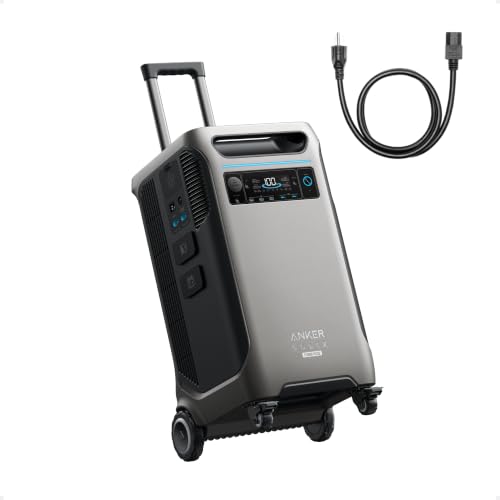 Anker SOLIX F3800 Plus Anker SOLIX F3800 Plus | 3,264 Wh | 7.4 | 36 | $324 | $2,400 at Amazon |
| 28 | 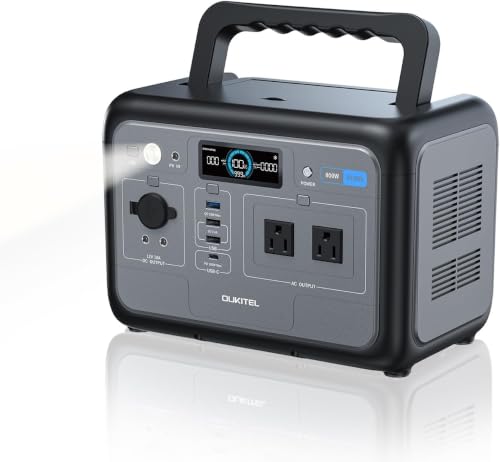 OUKITEL P800 (less than one full night) OUKITEL P800 (less than one full night) | 435 Wh | 0.9 | 4.8 | $332 | $299 at Amazon |
| 29 | 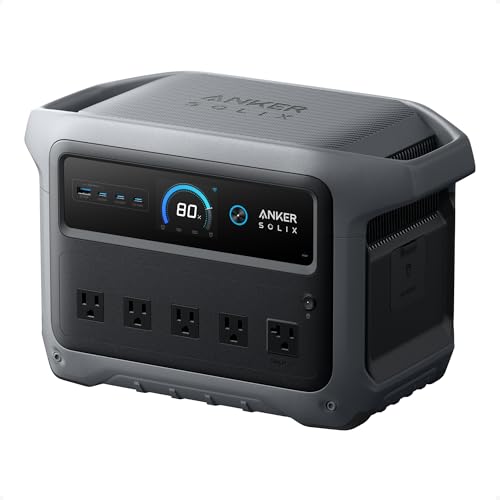 Anker SOLIX C1000 Gen 2 Anker SOLIX C1000 Gen 2 | 870 Wh | 1.9 | 9.7 | $352 | $669 at Amazon |
| 30 | 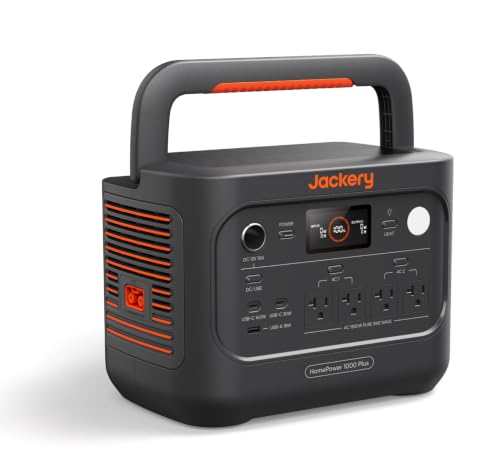 Jackery HomePower 1000 Plus v2 Jackery HomePower 1000 Plus v2 | 870 Wh | 1.9 | 9.7 | $352 | $669 at Amazon |
| 31 | 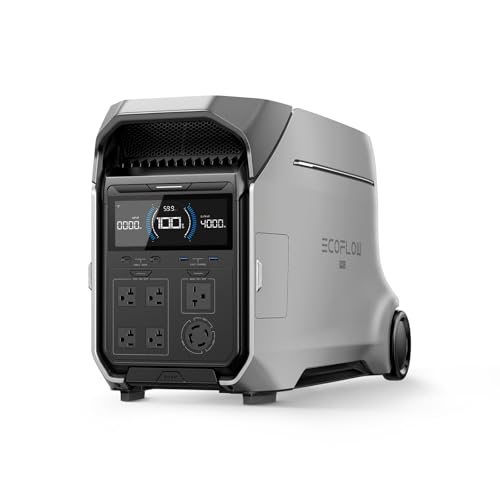 EcoFlow DELTA Pro 3 EcoFlow DELTA Pro 3 | 3,482 Wh | 7.9 | 38 | $354 | $2,799 at Amazon |
| 32 | 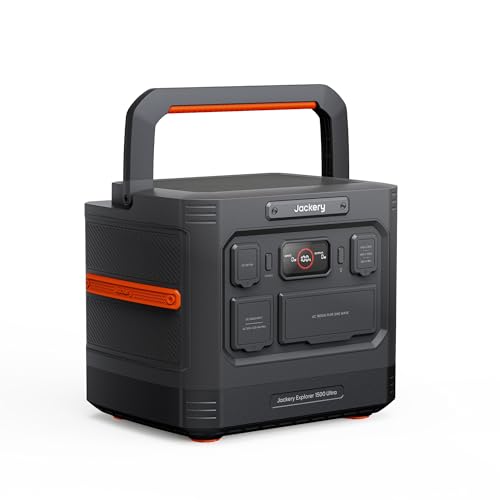 Jackery Explorer 1500 Ultra Jackery Explorer 1500 Ultra | 1,306 Wh | 2.9 | 14 | $372 | $1,079 at Amazon |
| 33 | 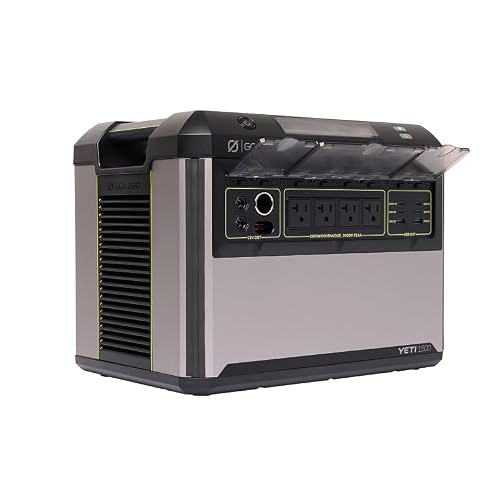 Goal Zero Yeti 1500 Goal Zero Yeti 1500 | 1,279 Wh | 2.9 | 14 | $517 | $1,500 at Amazon |
| 34 | 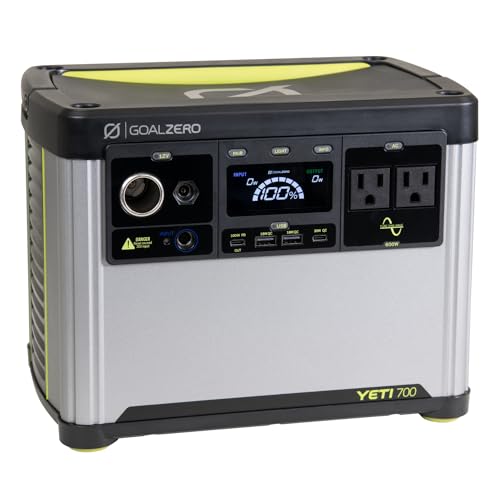 Goal Zero Yeti 700 Goal Zero Yeti 700 | 576 Wh | 1.3 | 6.4 | $538 | $700 at Amazon |
| 35 | 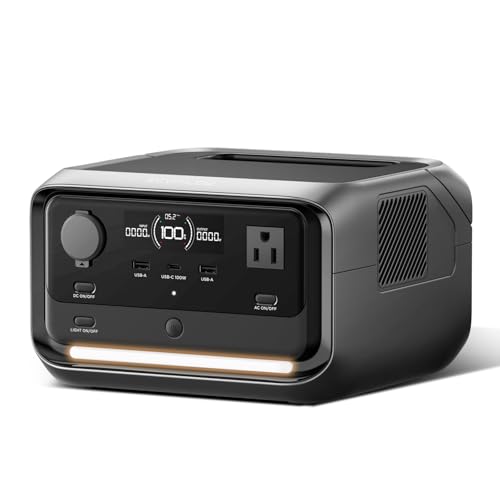 EcoFlow RIVER 3 Plus (less than one full night) EcoFlow RIVER 3 Plus (less than one full night) | 243 Wh | 0.5 | 2.7 | $558 | $279 at Amazon |
| 36 | 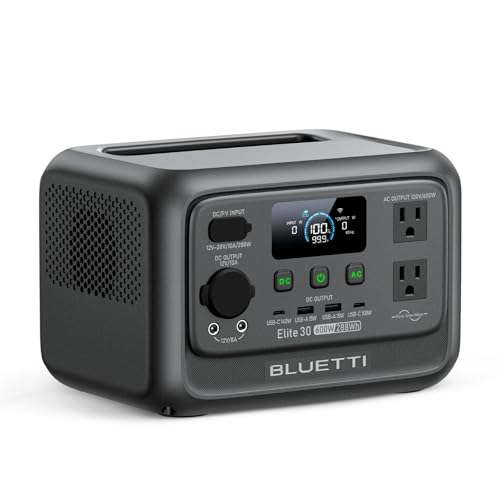 BLUETTI Elite 30 V2 (less than one full night) BLUETTI Elite 30 V2 (less than one full night) | 245 Wh | 0.5 | 2.7 | $560 | $280 at Amazon |
| 37 |  Anker SOLIX C300 (less than one full night) Anker SOLIX C300 (less than one full night) | 245 Wh | 0.5 | 2.7 | $660 | $330 at Amazon |
Nights = usable battery ÷ (watts × 8 hours), rounded down. Usable battery is 85% of the label figure. Humidifier on: 55 W, the middle of the 30–100 W range a CPAP with a heated humidifier draws, on the AC outlet. Humidifier off: 11.2 W, ResMed’s figure for an AirSense 10 on 12 V DC. How we got each number.
Which power stations run a CPAP for two nights or more?
These 26 run at least two full 8-hour nights with the heated humidifier on (55 W), on one charge. Cheapest first, Amazon prices checked October 12, 2026:
- BLUETTI AC180: 2.2 nights, $499
- Jackery Explorer 1000 v2: 2.0 nights, $499
- Anker SOLIX C1000: 2.0 nights, $600
- PECRON E2400LFP: 3.9 nights, $649
- OUKITEL P2001 Plus: 3.9 nights, $699
- DJI Power 2000: 3.9 nights, $750
- EcoFlow DELTA 3 Max: 3.9 nights, $879
- PECRON F3000LFP: 5.9 nights, $899
- BLUETTI Elite 200 V2: 4.0 nights, $899
- Jackery Explorer 2000 v2: 3.9 nights, $899
- Anker SOLIX C2000 Gen 2: 3.9 nights, $1,000
- EcoFlow DELTA 2 Max: 3.9 nights, $1,029
- Jackery Explorer 1500 Ultra: 2.9 nights, $1,079
- EcoFlow DELTA 3 Max Plus: 3.9 nights, $1,149
- BLUETTI Elite 300: 5.8 nights, $1,199
- Jackery HomePower 2000 Plus v2: 3.9 nights, $1,199
- EcoFlow DELTA 3 Ultra: 5.9 nights, $1,349
- Jackery HomePower 3000: 5.9 nights, $1,349
- Goal Zero Yeti 1500: 2.9 nights, $1,500
- EcoFlow DELTA 3 Ultra Plus: 5.9 nights, $1,599
- BLUETTI Apex 300 Home Battery Backup: 5.3 nights, $1,699
- EcoFlow DELTA Pro: 6.9 nights, $1,899
- Anker SOLIX F3800: 7.4 nights, $1,980
- Anker SOLIX F3800 Plus: 7.4 nights, $2,400
- EcoFlow DELTA Pro 3: 7.9 nights, $2,799
- Jackery Explorer 5000 Plus: 9.7 nights, $3,028
The lowest cost per night among them is the PECRON F3000LFP: $152 a night, 5.9 nights per charge for $899.
The 1,024 Wh units (870 Wh usable) fall just short: about 1.9 nights, so we do not count them.
How we got each number: AC, DC and the humidifier
The humidifier decides most of it
A CPAP with its heated humidifier and heated tube draws 30 to 100 W. We rank on the middle of that range, 55 W, the same figure our CPAP power page uses. ResMed gives 56.1 W as the AirSense 11’s typical draw (AirSense 11 user guide), close to it. One 8-hour night at 55 W uses about 438 Wh.
Why the AC outlet costs you about 15%
A power station stores DC power. Its AC outlets run it through an inverter, which loses some as heat. So we count 85% of the label figure as usable on AC, the same on every page of this site. Anker uses the same figure: “These estimates assume approximately 85 percent usable energy for AC loads.” (Anker SOLIX).
Why DC goes further
ResMed recommends a DC-to-DC converter over an inverter (ResMed battery guide). Its table gives the AirSense 10 with no humidifier at 0.93 A on 12 V at 10 cm H2O: 11.2 W, measured at the battery, so the converter’s loss is already in it. On DC there is no inverter, so a station gives back more than 85%. No station maker publishes a DC figure, so we keep 85% for DC too. Treat the DC nights as a floor.
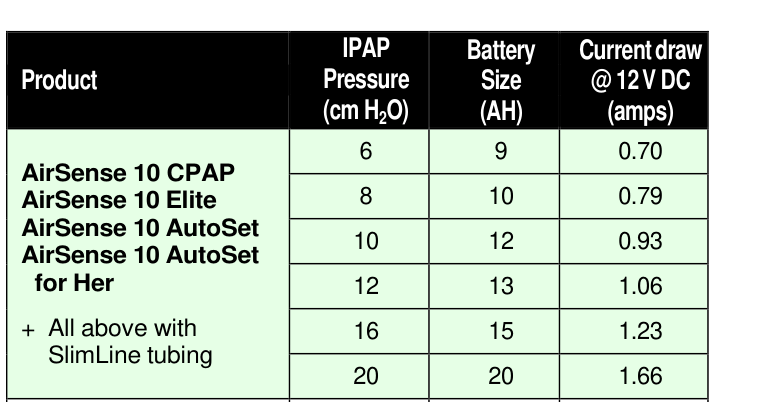
You need ResMed’s Air10 DC/DC converter (part 37297) and a cable from the station’s 12 V car outlet. Most stations have one; check yours. ResMed’s figure rises with pressure: 0.7 A at 6 cm and 1.66 A at 20 cm.
Humidifier off on AC
We give no AC figure with the humidifier off. A CPAP alone draws so little that the inverter’s own running draw can match it, and makers do not publish that draw. Use DC.
What goes wrong, and how to avoid it
- The station turns itself off at night. Many stations switch off an outlet when the draw is small, to save power. A CPAP can look like nothing to it. Find the auto-off or energy-saving setting and turn it off. Then test a whole night before you rely on it.
- The battery runs out early. A heated tube on high, a high pressure or a cold room pushes the draw toward 100 W. At 100 W, the BLUETTI AC180 lasts about 9.8 hours.
- It does not switch over by itself. Plugged in between the wall and the CPAP, most stations pass wall power through and switch to battery when it fails. None we know of promise a no-break switch. Test it by pulling the plug in the daytime.
- Wrong machine settings for a battery. Ask your equipment supplier which settings and which DC cable fit your machine.
This sizes equipment. It is not medical advice and no result here promises therapy through an outage. If losing therapy overnight is a health risk, talk to your equipment supplier, and tell your utility you need medical-priority restoration.
Who should buy which
- Cheapest full night: the BLUETTI AC180, $499.
- Most nights for the money: the PECRON F3000LFP, $152 a night (5.9 nights).
- Camping, lightest that runs a full night (of the units whose maker lists a weight): the Goal Zero Yeti 700, 20.3 lb (9.2 kg), 1.3 nights, $700.
- Want a big brand and help choosing between three: our CPAP power station guide picks for one night and for three, sized at the top of the range.
- Humidifier off and on DC: nearly any of them runs many nights; pick by price and weight.
Questions people ask
What is the best portable power station for a CPAP?
For the least money that still runs a full night with the heated humidifier on, the BLUETTI AC180 ($499 on Amazon, checked October 12, 2026): about 2.2 nights per charge at 55 W. For the most nights per dollar, the PECRON F3000LFP at $152 a night.
What is the best power station for CPAP camping?
Of the units whose maker lists a weight, the lightest that runs a full night with the humidifier on is the Goal Zero Yeti 700 (20.3 lb (9.2 kg)): about 1.3 nights, $700. With the humidifier off on DC (11.2 W), even a 435 Wh unit like the OUKITEL P800 runs about 4.8 nights.
What size portable power station do I need for a CPAP machine?
For one 8-hour night with the heated humidifier on, about 438 usable watt-hours: a station rated about 516 Wh or more. At the top of the range (100 W) you need 800 usable Wh, about a 1,000 Wh station.
How many nights will a power station run a CPAP?
Usable watt-hours divided by the CPAP's watts times 8 hours. A 1,024 Wh station runs about 1.9 nights with the humidifier on (55 W) and about 9.7 nights with it off on DC (11.2 W).
Is it better to run a CPAP on DC or AC from a power station?
DC. ResMed recommends a DC-to-DC converter over an inverter. On AC the inverter loses about 15% of the battery; on DC that loss is gone.
Can a power station run a CPAP all night?
Yes, if it holds at least 438 usable watt-hours for the humidifier-on case. 33 of the 37 stations Amazon sells do. The cheapest is the BLUETTI AC180.
Sources, and what we checked
- CPAP draw on DC: ResMed, Battery guide (198103/7, 2018-08), Air10 series converter table, read October 8, 2026.
- AirSense 11 typical draw: ResMed, AirSense 11 user guide (Americas), 65W power supply specifications.
- Usable share on AC: Anker SOLIX, How long will a power station last? (2026-07-24).
- Battery sizes and output: each maker’s spec page or manual, linked from each station’s page here.
- Prices: Amazon, through Amazon’s product data, checked October 12, 2026. Amazon shows today’s price.
What we did not check: we did not run any CPAP on these stations ourselves. We did not measure any station’s own standby draw or its DC efficiency; makers do not publish them. Only units Amazon sells with a price are ranked.